







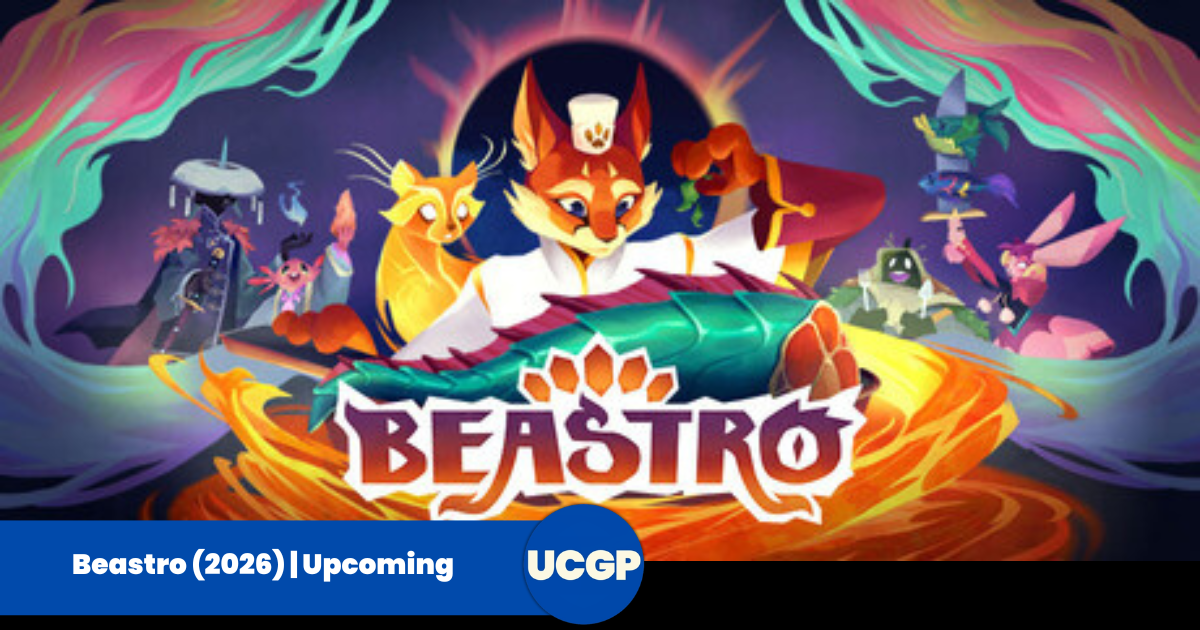

Beastro (2026): Release Date, Gameplay, Deckbuilding Combat, Xbox Game Pass and Everything You Need to Know
By: Qamar Shahzad | Gaming Journalist, 15+ Years Experience | Published June 2026
Quick Facts
| Detail | Info |
|---|---|
| Game Name | Beastro |
| Developer | Timberline Studio |
| Publisher | Timberline Studio, Kepler Ghost |
| Release Date | June 11, 2026 |
| Original Date | May 21, 2026 (Delayed) |
| Platforms | PC via Steam, Xbox Series X/S, PS5 |
| Xbox Game Pass | Confirmed Day One |
| Genre | RPG, Cooking Sim, Deckbuilder, Roguelite |
| Engine | Unreal Engine 5 |
| Multiplayer | None |
| Protagonist | Panko |
| Controller Support | Yes, Full Support |
Introduction
Cozy games and deckbuilders have both been on enormous upward trajectories for years, but almost nobody has tried to put them in the same kitchen. Beastro does exactly that, and the recipe sounds genuinely strange until you think about it for a moment longer. A fantasy cooking RPG where the meals you prepare directly become the cards in your combat deck.
Developed by Timberline Studio and published alongside Kepler Ghost, Beastro launches on PC via Steam, Xbox Series X/S, and PS5 on June 11, 2026, with confirmed day one availability on Xbox Game Pass. Built in Unreal Engine 5, the game follows a young chef named Panko who runs a restaurant, farms ingredients, cares for animals, and supports a group of adventurers called Caretakers by cooking meals that translate directly into trick-taking deckbuilding combat.
The game was originally targeted for May 21, 2026, before Timberline Studio delayed it to June 11 for additional polish. This article covers everything worth knowing: how the food-to-combat deckbuilding system actually works, what the restaurant management loop offers, what the delay tells us about the development process, and whether Beastro delivers on its genuinely novel premise.
Why Beastro Is Generating Real Attention
Cozy games have become one of gaming’s most reliable growth categories. Stardew Valley, Animal Crossing, and a wave of indie successors proved there is an enormous appetite for relaxed, creative, low-pressure gameplay. Deckbuilders have had their own renaissance since Slay the Spire redefined what the genre could be. Beastro is betting that combining these two beloved but rarely intersecting categories creates something neither audience has seen before.
The food-driven deckbuilding combat is the feature that makes Beastro genuinely distinctive. In most cooking games, the cooking is the goal and the reward. In most deckbuilders, the cards are abstract resources disconnected from any other game system. Beastro makes the meals you prepare into the actual cards you play in trick-taking combat encounters, creating a direct mechanical link between the cozy management loop and the strategic combat loop that almost no other game attempts.
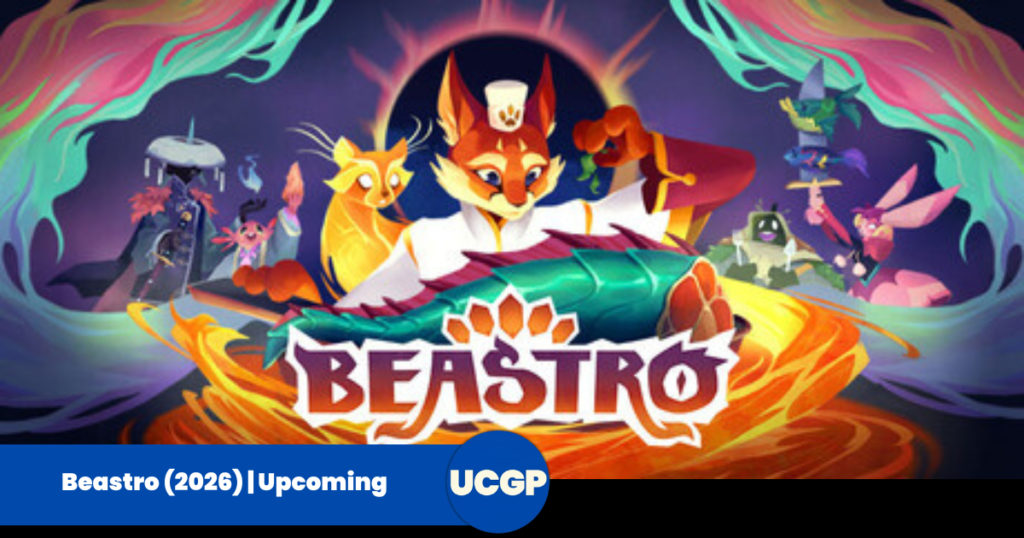
The puppet-theater presentation style for battles is a creative choice that immediately sets Beastro apart visually from other deckbuilders. Combined with Unreal Engine 5’s lighting and visual effects, the stylized anthropomorphic character designs and handcrafted food presentation give the game an identity that stands out in a crowded indie marketplace.
Xbox Game Pass day one availability is a significant exposure multiplier for an indie title. Game Pass has become one of the most important discovery platforms for cozy and indie games specifically, where subscribers are willing to try games they might not have purchased outright. For Beastro, this could be the difference between a niche launch and a genuinely broad audience.
Journalist Note: After covering cozy and indie game launches for years, the delay from May 21 to June 11 is worth paying attention to. A short, specific delay for “additional polish” close to launch usually means the developers identified something fixable rather than something fundamentally broken. It is generally a positive signal when a small studio is willing to push a date for quality reasons rather than rushing out the door.
Beastro Game Overview
| Field | Details |
|---|---|
| Full Title | Beastro |
| Developer | Timberline Studio |
| Publisher | Timberline Studio, Kepler Ghost |
| Genre | RPG, Adventure, Cooking Sim, Deckbuilder, Roguelite |
| Game Type | Cooking RPG, Restaurant Management, Deckbuilding Adventure |
| Engine | Unreal Engine 5 |
| Series | Original IP |
| Protagonist | Panko |
| Multiplayer | None |
| Platforms | PC, Xbox Series X/S, PS5 |
Timberline Studio developed Beastro using Unreal Engine 5, a notable technical choice for an indie cooking and deckbuilding game. UE5’s lighting and visual effects capabilities give Beastro a level of visual polish that exceeds what many indie cooking sims achieve, and the stylized anthropomorphic art direction takes full advantage of that technical foundation.
Kepler Ghost’s involvement as a co-publisher alongside Timberline Studio’s self-publishing role suggests additional distribution and marketing support, which likely contributed to securing the Xbox Game Pass day one placement.
Confirmed Information About Beastro
Everything below has been officially confirmed by Timberline Studio:
- June 11, 2026 release on PC via Steam, Xbox Series X/S, and PS5
- Xbox Game Pass day one availability confirmed
- Original May 21, 2026 date delayed to June 11 for polish
- Panko confirmed as the protagonist chef
- Restaurant management as a core gameplay system
- Turn-based deckbuilding combat inspired by trick-taking card games
- Meals directly affect and become combat deck cards
- Farming, foraging, and ingredient-gathering systems
- Animal care mechanics
- Skill tree progression system confirmed
- Recipe creation and meal crafting
- Town and restaurant customization
- Built in Unreal Engine 5
- Full controller support confirmed
- Steam Cloud and Achievements support
- Public demo previously available on Steam
- No multiplayer or co-op
- Puppet-theater presentation style for battles
Rumours and Unconfirmed Details
No significant credible leaks exist around Beastro. The following remains unconfirmed:
- Nintendo Switch version
- Future DLC or expansion content
- Cross-platform functionality between PC, Xbox, and PS5
- Specific game pricing
- Crossplay support
- Cross-progression support
- Performance targets and frame rate goals
- Ray tracing and DLSS or FSR support
Rumor reliability is low. Community speculation about a Switch version is the most discussed unconfirmed detail, reflecting genuine interest in the game’s portable suitability rather than sourced information.
Beastro Confirmed vs. Rumored Table
| Confirmed | Rumoured or Unconfirmed |
|---|---|
| June 11, 2026 launch on PC, Xbox, PS5 | Nintendo Switch version |
| Xbox Game Pass day one | Future DLC expansions |
| Delayed from May 21 to June 11 | Cross-platform functionality |
| Panko as protagonist | Game pricing |
| Food-driven deckbuilding combat | Crossplay support |
| Restaurant management gameplay | Cross-progression |
| Farming and animal care systems | Performance and FPS targets |
| Skill tree progression | Ray tracing or DLSS/FSR support |
| Unreal Engine 5 confirmed | Seasonal content plans |
Beastro Release Date and Timeline
Beastro launches on June 11, 2026, on PC via Steam, Xbox Series X/S, and PS5, with day one availability on Xbox Game Pass. The game was originally targeted for May 21, 2026, before Timberline Studio announced a delay to June 11 specifically for additional polish.
A three-week delay this close to a planned launch is a meaningful but not alarming timeline adjustment. It suggests the core game was largely complete and the team identified specific areas, likely related to balance, bug fixing, or presentation quality, that needed additional time before the team felt comfortable shipping.
A public demo was available on Steam before the delay, giving players hands-on experience with the cooking and deckbuilding systems ahead of the full launch. Community feedback from that demo period likely informed some of the polish work that led to the delay decision.
The simultaneous PC, Xbox Series X/S, and PS5 launch with Game Pass day-one availability represents a strong distribution strategy for an indie title, reaching PC players, both major console ecosystems, and the substantial Game Pass subscriber base on the same day.
Beastro Trailer
Beastro Platform Availability
| Platform | Status |
|---|---|
| PC via Steam | Confirmed, June 11, 2026 |
| Xbox Series X/S | Confirmed, June 11, 2026 |
| Xbox Game Pass | Confirmed Day One |
| PS5 | Confirmed, June 11, 2026 |
| Nintendo Switch | Not Confirmed |
| Mobile | Not Confirmed |
| Epic Games Store | Not Confirmed |
Beastro launches across PC, Xbox Series X/S, and PS5 simultaneously, with the added benefit of Xbox Game Pass day one availability. This is a genuinely strong platform spread for an indie cooking RPG, covering the major current-generation console audiences alongside PC.
The Nintendo Switch is the platform most requested by the community but remains unconfirmed. Given the cozy genre’s strong association with portable and Switch gameplay, a future Switch version would make sense, but nothing has been officially announced.
Crossplay and cross-progression have not been confirmed. Since Beastro has no multiplayer component, crossplay is not particularly relevant. Cross-progression between platforms, particularly between Xbox Game Pass on console and PC, would be a welcome convenience for players who play across devices, but its status remains unclear.
Beastro Gameplay Deep Dive
The Restaurant Management Loop
At its foundation, Beastro is a restaurant management game. You run a kitchen, prepare meals, manage a growing space, and serve NPC patrons who each have individual food preferences. This loop provides the cozy, low-pressure gameplay rhythm that fans of Stardew Valley and similar life sims will recognize immediately.
The restaurant management systems extend into farming, foraging, and animal care, giving you multiple sources for the ingredients your recipes require. This breadth of activity is what gives cozy games their replayability: there is always something productive to do that contributes toward your overall progress.
Food-Driven Deckbuilding Combat
This is where Beastro becomes something genuinely new. The meals you prepare in the restaurant do not just serve NPC customers for income and reputation. They become the cards in your deck for turn-based combat encounters. The combat itself is structured around trick-taking card game mechanics, a format more commonly associated with games like Hearts or Spades than with RPG combat systems.
This design creates a direct feedback loop between your cooking skill and your combat capability. A better recipe is not just a more profitable dish to serve customers. It is a more powerful card in your deck for supporting Caretakers against monster threats. This integration is the single most important thing to understand about Beastro, because it is the mechanic that justifies combining these two genres in the first place.
Puppet-Theater Battle Presentation
The decision to present combat through a puppet-theater visual style is a distinctive creative choice that gives battles a charming, storybook quality consistent with the game’s cozy fantasy tone. Rather than realistic combat animations, the puppet-theater framing turns each battle into a piece of theatrical storytelling, which fits naturally with a narrative about a young chef supporting adventurers through food.
Skill Progression and Recipe Crafting
The skill tree system gives Panko’s development a structured progression path, while recipe creation and meal crafting provide the creative and experimental layer that cooking game fans specifically seek out. Discovering new recipe combinations that produce powerful combat cards creates a meaningful incentive to experiment with the cooking systems beyond simply fulfilling customer orders.
Multiplayer and Co-op in Beastro
Beastro has no multiplayer or co-op features confirmed. It is designed as a single-player narrative experience centered on Panko’s personal journey and the relationships built with Caretakers and Palo Pori villagers.
This is consistent with the cozy RPG genre, where many of the most beloved titles, including Stardew Valley in its original form, started as single-player experiences before any multiplayer additions came later if at all. The narrative focus on Panko’s individual story and the deckbuilding combat structure both work better as personal, focused experiences than as social ones.
Combat System in Beastro
Combat in Beastro uses turn-based deckbuilding mechanics inspired by trick-taking card games. Your deck is built from the meals you have prepared, meaning your cooking choices directly determine your combat options. This is fundamentally different from most deckbuilders, where card acquisition happens through dedicated reward systems disconnected from other gameplay.
Trick-taking as a combat framework is an interesting choice. Trick-taking games are about predicting and responding to what opponents will play, creating a layer of tactical anticipation that differs from the resource management focus of games like Slay the Spire. How well this translates into RPG combat against monster encounters is one of the most interesting design questions Beastro raises, and the demo feedback from the community suggests the core loop has resonated well with early players.
The puppet-theater presentation gives these combat encounters a visual identity that supports the storytelling framing: you are not just fighting monsters; you are performing a piece of theater about a chef supporting adventurers.
Progression Systems in Beastro
Progression in Beastro operates across multiple interconnected systems. The skill tree advances Panko’s personal capabilities. Restaurant upgrades and town customization expand your operational capacity and unlock new gameplay options. Recipe discovery expands your available combat deck options. Caretaker relationships likely develop through the meals you provide them.
This multi-layered progression structure is what gives cozy RPGs their long-term engagement. There is no single progression bar to fill. Instead, multiple systems develop in parallel, each contributing to your overall sense of growth and capability within the game world.
The roguelite tag in the genre classification suggests some run-based or repeatable structure to certain gameplay elements, though the specific mechanics of how roguelite design integrates with the broader narrative RPG structure have not been fully detailed.
Open World and Exploration Features
Beastro is not a fully open-world game. It features an explorable village called Palo Pori and surrounding areas where you can forage for ingredients, interact with villagers, and gather resources. This is a focused, handcrafted approach to exploration rather than a sprawling open map.
This scale is appropriate for the game’s design priorities. A smaller, more detailed world allows Timberline Studio to give Palo Pori and its surrounding areas genuine character and detail, with foraging and gathering systems that reward exploration without requiring an enormous map to traverse.
Character Customization
Restaurant customization is confirmed as a core feature, allowing you to develop and personalize your kitchen and dining space over time. Player character customization for Panko has not been confirmed, suggesting Panko is likely a defined character rather than a player-created avatar.
This approach is common in narrative-focused RPGs where the protagonist has an established personality and story role. The creative expression in Beastro comes through restaurant design, recipe creation, and town customization rather than through character appearance, which keeps the focus on the systems that make the game distinctive.
Story and Setting of Beastro
The story of Beastro centers on Panko, a young chef in the village of Palo Pori, whose mentor disappears just as monsters begin threatening the region. Panko manages the restaurant while supporting a group of adventurers called Caretakers through strategic meal preparation that empowers them for their battles against the monster threat.
This setup gives Beastro’s two core gameplay systems, restaurant management and deckbuilding combat, a unified narrative justification. You are not managing a restaurant and separately fighting monsters. You are managing a restaurant in order to fight monsters, with the cooking serving the combat narrative directly.
The mystery of the missing mentor provides the overarching story hook that will presumably drive the narrative progression alongside the more open-ended restaurant management and exploration activities. The Palo Pori villagers and the relationships Panko builds with them give the world a sense of community that cozy RPG fans specifically value.
How Beastro Compares to Similar Games
Versus Cuisineer
Cuisineer combines restaurant management with dungeon-crawling combat, making it perhaps the closest direct comparison to Beastro’s genre fusion. The key difference is combat structure: Cuisineer uses action combat in dungeons, while Beastro uses turn-based deckbuilding with food-derived cards. Both games understand that cooking games benefit from an additional gameplay pillar beyond pure management.
Versus Battle Chef Brigade
Battle Chef Brigade also combined cooking with combat, using a match-three-style cooking minigame connected to combat encounters. Beastro’s approach with deckbuilding and trick-taking mechanics is more strategically deep than Battle Chef Brigade’s real-time cooking puzzle, representing an evolution of the cooking-combat fusion concept toward more deliberate strategic gameplay.
Versus Moonlighter
Moonlighter combined shop management with dungeon-crawling action RPG combat. Beastro replaces the shop with a restaurant and the dungeon combat with deckbuilding battles. The structural parallel, manage a business by day and fight by night or through a separate combat system, is similar, but the specific genre combination and combat style differ significantly.
Versus Travellers Rest
Travellers Rest is a tavern management sim with RPG elements and a focus on brewing and serving food and drink to a fantasy clientele. Beastro shares the food service and fantasy setting but adds the deck-building combat layer that Travellers Rest does not have, positioning Beastro as a more mechanically ambitious take on the fantasy food service concept.
Versus Slay the Spire
Slay the Spire is the genre-defining deckbuilder that established the modern card-based roguelike combat template. Beastro’s trick-taking combat system and food-derived cards represent a significant departure from Slay the Spire’s resource management approach, but the comparison is useful for understanding what audience Beastro’s combat side is trying to reach: players who enjoy strategic card-based decision-making.
Comparison Table
| Game | Management Focus | Combat Style | Genre Fusion Depth | Platform |
|---|---|---|---|---|
| Beastro | Restaurant | Trick-Taking Deckbuilder | Very High, Direct Integration | PC, Xbox, PS5 |
| Cuisineer | Restaurant | Action Dungeon Crawler | High | PC, Switch |
| Battle Chef Brigade | Cooking | Match-Three Cooking Combat | High | PC, Switch |
| Moonlighter | Shop | Action Dungeon Crawler | Moderate | Multi-Platform |
| Travellers Rest | Tavern | None, Pure Management | Low | PC |
Community Reactions to Beastro
Reddit: Positive reactions focus on the art style, the cozy gameplay loop, and the genuine novelty of the cooking-to-deckbuilding concept. The demo period generated discussion about how the trick-taking combat feels in practice, with generally favorable impressions. The delay announcement was met with understanding rather than frustration, reflecting community trust that the additional time would improve the final product.
YouTube: Coverage from indie-game creators has been growing steadily, with the unique genre combination making for compelling video content. The visual style and puppet-theater battle presentation translate well into trailer and gameplay footage.
Twitter/X: Moderate indie game community interest, with the Xbox Game Pass announcement generating additional attention from console players who follow Game Pass release calendars closely.
Discord: Growing cozy game community interest, with discussions focused on recipe systems and how deep the deckbuilding combat might get. Players are speculating about ingredient combinations and what kinds of cards different recipes might produce.
Most requested community features include longer gameplay, expanded recipe collections, additional content updates, and a Nintendo Switch version. Community concerns center on gameplay depth, replayability, and whether the balance between cooking and combat systems will hold up over a full playthrough. These are thoughtful, engaged concerns rather than red flags.
Overall community sentiment is positive, with genuine curiosity about how well the genre fusion executes being the dominant tone heading into launch.
Beastro Pros and Cons
Pros
- Genuinely novel fusion of cooking, RPG, and deck-building combat
- Meals directly translate into combat cards, creating meaningful system integration
- Xbox Game Pass day-one availability provides strong discovery potential
- Simultaneous launch on PC, Xbox Series X/S, and PS5
- Unreal Engine 5 visuals exceed typical indie cooking game presentation
- Puppet-theater battle presentation gives combat a distinctive identity
- Skill tree, farming, foraging, and animal care add gameplay breadth
- Full controller support, Steam Cloud, and Achievements confirmed
- A demo available before launch allowed community feedback
- Delay for polish suggests development team prioritized quality
Cons
- No multiplayer or co-op for players who want social cozy gameplay
- Nintendo Switch version not confirmed despite genre fit
- Game pricing not officially announced
- Trick-taking combat is an unfamiliar format that may have a learning curve
- Replayability and endgame content depth uncertain
- Cross-progression between Game Pass and other platforms unclear
- New genre fusion carries inherent risk of balance issues between systems
- Performance targets and ray tracing support not detailed
Who Should Play Beastro
Beastro is a strong fit if you:
- Enjoy cozy cooking and restaurant management games like Stardew Valley or Cuisineer
- Appreciate strategic deckbuilders and want to see the format applied somewhere new
- Are curious about trick-taking card mechanics in an RPG context
- Have Xbox Game Pass and want to try an ambitious indie title at no extra cost
- Like games with strong visual identity and creative presentation choices
- Want a single-player narrative experience with charming characters
- Are drawn to games that take genuine creative risks with genre combination
Beastro may not suit you if you:
- Need multiplayer or co-op as a core feature
- Are specifically waiting for a Nintendo Switch version
- Prefer traditional resource-management deckbuilders over trick-taking formats
- Want pricing confirmed before deciding whether to purchase outside Game Pass
- Are skeptical of genre fusion games and prefer focused single-genre experiences
Beastro System Requirements
Official PC system requirements have been published by Timberline Studio:
Confirmed Minimum Requirements
| Specification | Details |
|---|---|
| OS | Windows 10 64-bit |
| CPU | Intel Core i5-4570 or AMD Ryzen 3 1200 |
| RAM | 6 GB |
| GPU | GTX 1630 (4GB) or Radeon R9 390 (8GB) |
| Storage | 10 GB |
Confirmed Recommended Requirements
| Specification | Details |
|---|---|
| OS | Windows 10 64-bit |
| CPU | Intel Core i5-8400 or AMD Ryzen 5 2600 |
| RAM | 8 GB |
| GPU | GTX 1080 or RX Vega 64 |
| Storage | 10 GB |
These requirements are notably accessible for a game built on Unreal Engine 5. The minimum specifications, including a 2014-era CPU and entry-level modern GPU, suggest Timberline Studio prioritized broad hardware compatibility despite using a demanding engine, likely through careful art direction and optimization for the stylized visual style rather than photorealistic rendering.
Ray tracing and DLSS or FSR support have not been officially detailed. Given the recommended GPU tier, ray tracing is unlikely to be a significant feature even if technically supported. Full controller support is confirmed across all platforms, which fits naturally with the console availability on Xbox and PS5.
Expert Predictions for Beastro
Beastro is positioned at an interesting intersection of trends. Cozy games continue to grow as a category, deckbuilders remain popular following Slay the Spire’s influence, and Xbox Game Pass continues to be one of the most effective discovery platforms for ambitious indie titles. Beastro sits at the center of all three trends simultaneously.
The most important question the full release needs to answer is whether the trick-taking deckbuilding combat genuinely complements the restaurant management loop or whether one system ends up feeling like the priority while the other feels secondary. The demo feedback suggests positive early signs, but a full playthrough across the entire game will reveal whether the integration holds up over many hours.
The delay from May 21 to June 11 is a reasonable signal that Timberline Studio is being careful about quality rather than rushing. Three-week delays for polish, especially when a demo has already established community goodwill, tend to result in better-received launches than games that ship on an original date despite known issues.
A Nintendo Switch version is the most logical platform expansion given the cozy genre’s strong association with portable play. Whether Timberline Studio has the resources to pursue this alongside supporting their three-platform launch is the practical question, and community demand will likely grow if the initial launch performs well.
Long-term potential is high if Timberline Studio delivers on the expected post-launch content additions: new recipes, additional regions, and potentially seasonal content. The genuine novelty of the food-to-combat system gives Beastro a distinctive identity that, if executed well, could establish it as a reference point for future games attempting similar genre fusions.
Frequently Asked Questions About Beastro
What is the release date of Beastro? Beastro releases on June 11, 2026, on PC via Steam, Xbox Series X/S, and PS5. The game was originally targeted for May 21, 2026, before being delayed three weeks for additional polish.
Is Beastro available on Steam? Yes. Beastro is available on PC via Steam as of June 11, 2026. A public demo was previously available on Steam ahead of launch.
Is Beastro coming to Xbox Game Pass? Yes. Beastro is confirmed for day one availability on Xbox Game Pass alongside its Xbox Series X/S, PC, and PS5 releases on June 11, 2026.
What type of game is Beastro? Beastro is a fantasy cooking RPG that combines restaurant management, farming and ingredient gathering, and turn-based deckbuilding combat inspired by trick-taking card games. The meals you prepare directly become the cards in your combat deck.
Does Beastro have multiplayer? No. Beastro is a single-player experience. There is no multiplayer or co-op mode confirmed for any version of the game.
Who is the main character in Beastro? The protagonist of Beastro is Panko, a young chef in the village of Palo Pori who manages a restaurant while supporting adventurers called Caretakers and investigating the disappearance of a mentor amid a growing monster threat.
Does Beastro feature deckbuilding combat? Yes. Beastro uses turn-based deckbuilding combat inspired by trick-taking card games, presented through a puppet-theater visual style. The cards in your deck are derived directly from the meals you prepare in the restaurant.
What are the PC system requirements for Beastro? The minimum requirements include Windows 10 64-bit, an Intel Core i5-4570 or AMD Ryzen 3 1200, 6 GB RAM, and a GTX 1630 or Radeon R9 390 with 10 GB of storage. Recommended requirements include an Intel Core i5-8400 or AMD Ryzen 5 2600, 8 GB RAM, and a GTX 1080 or RX Vega 64.
Final Verdict
Beastro is one of the more creatively ambitious cozy game releases of 2026, and the ambition is exactly what makes it worth paying attention to. Combining restaurant management with trick-taking deckbuilding combat is the kind of genre fusion that could easily fall apart in execution, but the demo feedback and the developer’s willingness to delay for additional polish both suggest Timberline Studio understands the stakes of getting this integration right.
The food-to-combat card system is the feature that defines the entire experience. If your best recipes genuinely translate into your strongest combat options, Beastro succeeds at making two beloved genres feel like they were always meant to be together. The puppet-theater presentation, the Unreal Engine 5 visuals, and the Palo Pori setting give the game a distinctive identity beyond its mechanical novelty.
The Xbox Game Pass day one availability removes the financial risk for a huge segment of the potential audience, which is genuinely valuable for a game this experimental. For PC and PS5 players, the accessible system requirements mean hardware is unlikely to be a barrier either.
For cozy game fans curious about deckbuilders, deckbuilder fans curious about cozy games, and anyone who has ever wondered what would happen if your dinner became your deck, Beastro on June 11 across PC, Xbox Series X/S, PS5, and Game Pass is one of the more interesting releases worth your attention this month.
Written by Qamar Shahzad, a gaming journalist with 15+ years of industry experience. Published June 2026.
One response to “Beastro (2026): Release Date, Game Pass, Gameplay & Review”
[…] Beastro (2026): Release Date, Game Pass, Gameplay & ReviewJune 11, 2026 […]